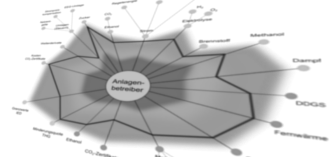
Substances or materials represent with are rising tendency the largest cost in the manufacturing sector. The cost drivers are mainly by the shortage of raw materials, reduction of the vertical range of manufacture using high quality materials. At the same time, the public expects that companies meet their responsibilities for the entire value chain. These value chains are sometimes very complex and range from very many stations up to the farmer.
BSE supports you with goal-oriented, responsible, holistic and efficient influencing of material systems by:
At the same time cost reduction potentials are identified and strategies to increase material efficiency developed. The measures focus, inter alia, in the reduction of material and resource losses by improving the quality, optimization of production processes, material recycling or recycling and multiple use of water for industrial purposes.
Companies that want to compete profitably in the markets of the future must internalize environmental aspects on an equal footing with the social and economic aspects.
BSE supports you in all life cycle phases of sustainability:
Even only one product can in depth be analysed and accounted for its material flow throughout its life cycle the "Life Cycle Assessment". With the BSE you receive help to define enterprise-specific objectives by:
Even today, there are legal requirements for minimum savings in the bioenergy sector. Products that do not comply with these requirements cannot be sold in the market. It is expected that these requirements will be extended and intensified to other areas such as food, feed and chemical engineering markets.
BSE provides advice about:
Operating and interplant Material Flow Management therefore show potential, which can be estimated good and which serve both the environmental and the economic dimension in terms of sustainability.